Roof Repairs UK · National roof repair advice
Storm Damage Roof Repairs
What to check after a storm, safe first steps, temporary make-safe work, and the evidence to keep for insurers or landlords. Northeast England enquiries handled by Evenii.
What to check after storm damage
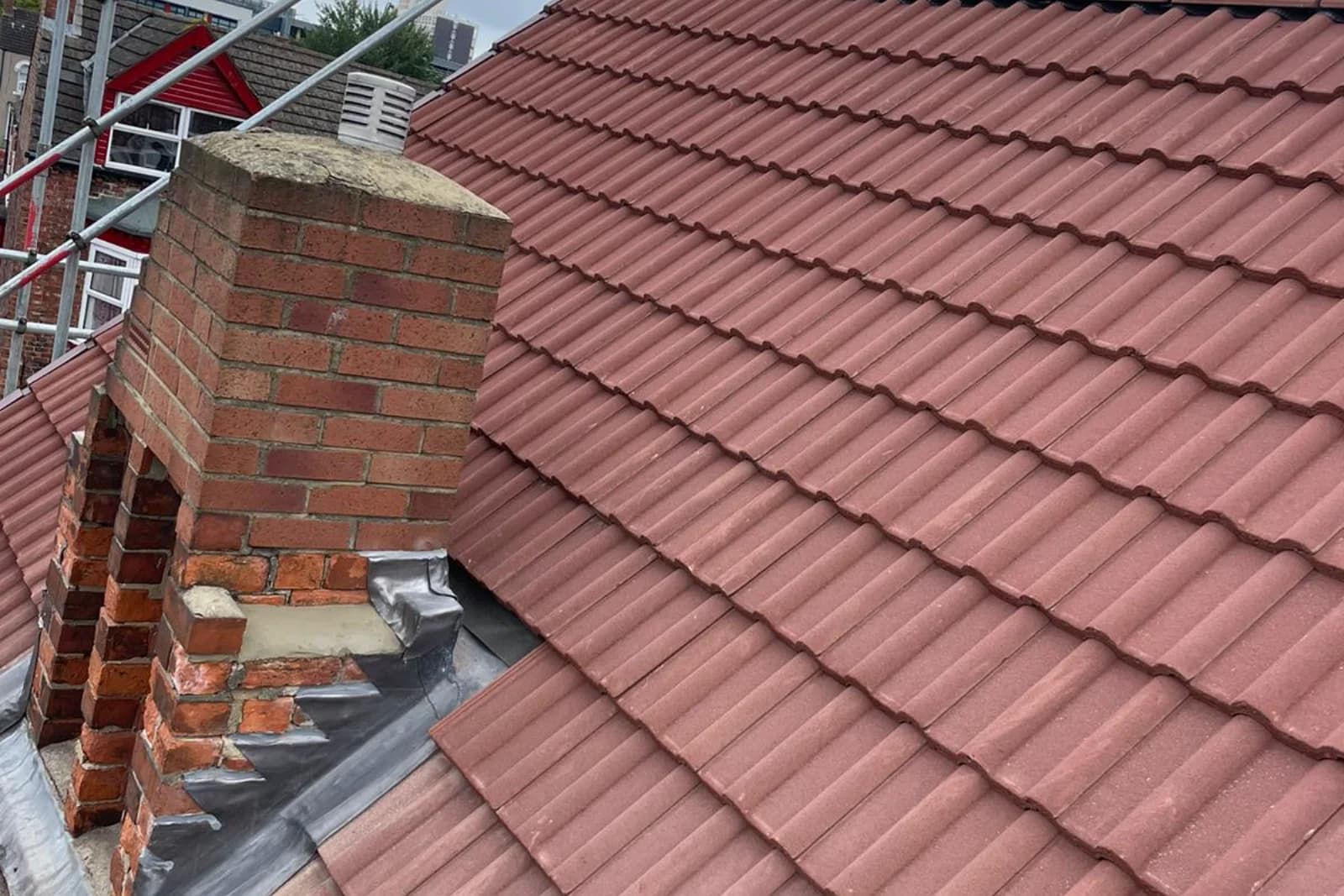
After high winds, look for slipped, cracked or missing slates and tiles, ridge or hip tiles out of line, lifted or torn flat-roof coverings, and lead or flashings pulled away from chimneys and abutments. Inside, a fresh damp patch or drip is a clear sign.
Debris in gutters, or tiles and fragments on the ground, are worth photographing — they help establish what happened and when, which matters if you make an insurance claim.
Missing tiles, lifted flashings and damaged flat roofs
Wind finds the weak points. On pitched roofs it lifts and slips coverings and works at the lead; on flat roofs it peels back felt and membrane at the edges and details. A single missing tile can let a surprising amount of water in over a few days.
None of these is usually a reason to replace a whole roof — they are targeted repairs, once the roof has been made safe.
Safety first
Keep clear of any fallen material and stay off the roof. If electrics are affected by water, isolate the circuit. Move valuables from under any leak and catch water safely. There is nothing useful you can do on a storm-damaged roof that a roofer cannot do more safely.
Temporary make-safe work
Where a roof is open or leaking, make-safe work — temporary covering and containment — stops further water getting in and protects the building until a permanent repair can be carried out. It is a holding measure, not the finished repair.
A roofer will prioritise containment first, then inspect to establish the full extent of the damage.
Evidence for insurers or landlords
Dated photographs of the damage and the conditions, together with a contractor’s written notes on what was found and done, are the evidence an insurer or a landlord will want. Keep them from the start.
We do not give insurance advice — see the insurance claims guide for the practical steps, and check your policy with your insurer or broker.

Northeast England — handled by Evenii
Advice everywhere. A working contractor in the North East.
Northeast England enquiries can be handled by Evenii, a commercial roofing contractor based in Tow Law, County Durham. Evenii covers County Durham, Tyne and Wear, Teesside and North Yorkshire — commercial roofing, repairs, flat roofing and planned maintenance — and references CHAS Advanced, NFRC, Reset Compliance. Roof Repairs UK does not claim coverage beyond that; elsewhere in the UK this site is guidance.
Related roofing
In the North East, this work is carried out by Evenii: Evenii — emergency roof repairs, County Durham.
Frequently asked questions
What should I check after a storm?+
From the ground: slipped or missing slates and tiles, ridges out of line, lifted flat-roof coverings, and debris in gutters or on the ground. Inside: fresh damp patches or drips. Photograph anything you can see safely.
Is storm damage covered by insurance?+
It often is, but it depends on your policy. We do not give insurance advice — keep dated photographs and a contractor’s notes as evidence, and check the position with your insurer or broker.
Should I get on the roof to check after a storm?+
No. Storm-damaged roofs can be unstable and wet surfaces are slippery. Assess from the ground and from inside, and leave the roof to a roofer with the right access and equipment.
How quickly should storm damage be dealt with?+
If the roof is open or leaking, make-safe work to stop further water getting in is the priority. The permanent repair follows once the roof has been inspected and the weather allows.
Do you handle storm damage across the UK?+
This page is guidance. Storm damage roof repairs in the North East are handled by Evenii; elsewhere, use it to brief a local accredited roofer.
Need help in Northeast England?
Roof Repairs UK is roof repair guidance. In Northeast England, enquiries can be handled by Evenii, a commercial roofing contractor based in Tow Law, County Durham.